

Summer RV season is here, and that means scenic drives, campfire stories, and exploring the great outdoors. But with more of us hitting the road, it’s more important than ever to camp in your RV responsibly. Here are five things to keep in mind before you roll out:
1. Choose Campsites That Protect Nature
It can be tempting to find that “perfect off-grid spot,” but driving or parking your rig on soft soil, tundra, or fragile desert crust can leave lasting scars. Stick to designated sites or areas with durable surfaces like gravel or packed dirt. This helps prevent erosion, protects plant life, and ensures that wild places stay wild. Pro Tip: Avoid widening campsites or creating new fire rings. Use what’s already there to minimize impact.
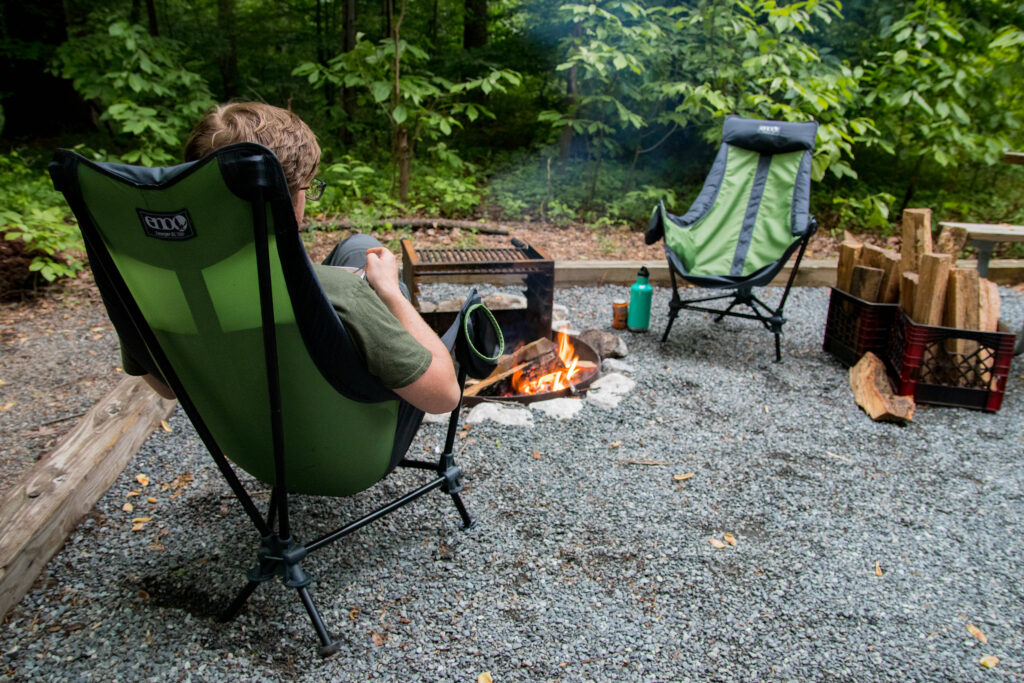
2. Use Fire Responsibly—or Not at All
Fire restrictions are common in summer due to dry conditions. Many RVers rely on propane stoves and fire rings as safer, more sustainable options. Always check local regulations before lighting a campfire or using a portable fire pit. Even in allowed areas, keep fires small, never leave them unattended, and make sure they’re fully extinguished—cold to the touch—before turning in for the night or hitting the road.
3. Plan for Waste—All of It
Black and gray water aren’t the only concerns. Trash, food scraps, and even micro-waste (like bottle caps and twist ties) can harm local ecosystems and wildlife. Always pack it out, and make use of dump stations properly. Never dispose of waste in natural areas, even if it’s “biodegradable.” Pro tip: Keep a small trash bin or zippered pouch handy to collect and store waste on the go
4. Store Your Food and Smellables
Whether you are camping in bear country or not, it is important to properly store all food, trash, and smellables to keep them out of reach for wildlife. Bears aren’t the only concern. Raccoons, coyotes, and rodents are all common visitors to campsites. Even if you’re inside a hard-sided RV, the scent of food, toiletries, and even cleaning products can attract curious critters. Keep everything sealed and stored when not in use. Avoid feeding wildlife—intentionally or accidentally—as it can lead to dangerous behavior and dependency.
5. Be a Courteous Camper
The RV lifestyle brings freedom—but that doesn’t mean forgetting community. Keep noise levels down, obey quiet hours, and leave your campsite cleaner than you found it. Be respectful of other campers, hikers, and local residents. Kindness, awareness, and a smile go a long way—on the road and in the woods.
Want to Go Deeper? Get Your Free RV Guide
We’ve put together a free, downloadable guide with the 7 Principles of Leave No Trace—customized for RVers like you. Whether you’re new to the road or a seasoned full-timer, this resource is packed with practical tips to help you explore with care.
Together, we can make sure that the landscapes we love remain beautiful, wild, and accessible for generations of overlanders to come.