
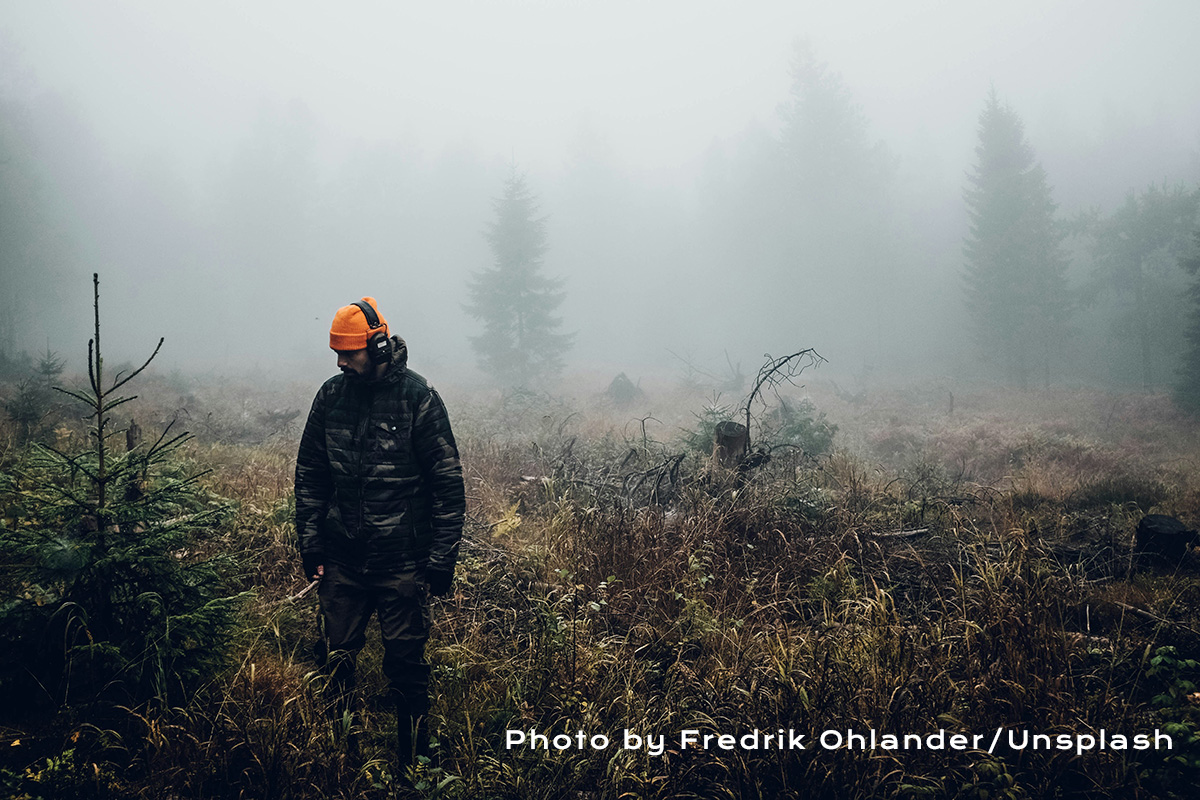
Hunting connects us deeply to the outdoors. It’s a tradition rooted in patience, responsibility, and respect — not only for the harvest but for the landscapes that make the experience possible. Practicing Leave No Trace while hunting ensures that the woods, fields, and waters we love remain healthy for future generations of hunters and wildlife alike.
Here’s how the 7 Principles of Leave No Trace can guide ethical, low-impact hunting.
1. Plan Ahead and Prepare
- A successful hunt starts before you step into the field.
- Study maps, regulations, and land boundaries. Always secure permission before hunting on private land. Take a hunter safety course, know your firearm or bow, and pack the essentials: extra layers, food, first aid, and a signaling device.
- Use GPS or a map and compass instead of marking trails with flagging or cairns. Good planning helps avoid unnecessary impact — and keeps you safe.
2. Travel and Camp on Durable Surfaces
- Stick to established roads, trails, and campsites whenever possible.
- Camp at least 200 feet from lakes and streams, and in high-use areas, focus your activity where vegetation is already absent. In pristine areas, spread out to avoid creating new trails or campsites.
- And always respect fences and gates — leave them as you found them.
3. Dispose of Waste Properly
- Hunters have a unique responsibility to keep wild places clean.
- Pack out everything you bring in — including food wrappers, spent shells, and brass. Move gut piles away from water sources, camps, and trails.
- When nature calls, dig a cathole 6–8 inches deep and at least 200 feet from water, then cover it well. Use small amounts of biodegradable soap when washing and scatter the strained dishwasher.
- Leaving no trace means leaving the landscape as healthy — or healthier — than you found it.
4. Leave What You Find
- Part of hunting’s reward is experiencing the wild as it is.
- Avoid damaging trees or building new blinds from natural materials — use portable or manufactured blinds instead. Never use rocks, signs, or trees for target practice, and leave cultural or historic artifacts undisturbed.
- When you take only your game and memories home, you help preserve the story of the land for others.
5. Minimize Campfire Impacts
- A warm fire feels good after a long day in the field — but campfires can scar the backcountry.
- Use a stove whenever possible. If you build a fire, use existing fire rings, burn only small sticks you can break by hand, and never cut branches from live or standing dead trees. Keep fires small and manageable, and always pack out your trash.
- Your legacy should be good memories, not burned ground.
6. Respect Wildlife
- At its core, ethical hunting is about respect.
- Take only clean, humane shots, and retrieve game promptly. Never feed or bait wildlife — it alters natural behavior and can be harmful. Keep food and trash stored securely, and hunt only within legal seasons and limits.
- Every responsible choice honors the wildlife that sustains hunting traditions.
7. Be Considerate of Others
- Hunting is a shared experience with all who enjoy the outdoors.
- Be aware of your field of fire and avoid shooting near roads, camps, or trails. Yield to others, keep noise to a minimum, and choose campsites away from busy areas.
- Set a positive example — courtesy and respect help ensure that hunting remains a valued and trusted tradition.
Hunt with Purpose. Leave No Trace.
Responsible hunting goes beyond ethics in the field — it’s about stewardship for the places and wildlife that sustain us. When hunters practice the Leave No Trace Principles, we protect access, preserve ecosystems, and pass on a legacy of respect.
Learn more: Purchase our Hunting Reference Card for quick-field tips, or take the free Leave No Trace 101 Course to explore how you can reduce your impact on every adventure.