Once necessary for cooking and warmth, campfires are steeped in history and tradition. Some people would not think of camping without a campfire. Campfire building is also an essential skill for every camper. Yet, the natural appearance of many areas has been degraded by the overuse of fires and increasing demand for firewood. Moreover, wildfires continue to threaten outdoor spaces and are primarily caused by humans. We can minimize campfire impacts by keeping a few key things in mind.
The Basics:
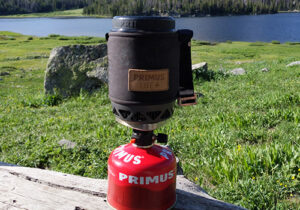
Campfires can cause lasting impacts on the environment. Use a lightweight stove for cooking and enjoy a candle lantern for light.
Use established fire rings, pans, or mound fires where fires are permitted.
Keep fires small. Use only sticks from the ground that can be broken by hand.
Burn all wood and coals to ash, put out campfires completely, then scatter cool ashes.
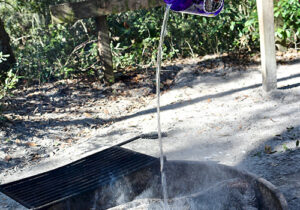
The best place to build a fire is within an existing fire ring in an established campsite. Charcoal should also be limited to use within fire rings or freestanding grills. Keep the fire small and burning only for the time you are using it. Allow the wood to burn completely to ash. Put out fires with water, not dirt. Dirt may not completely extinguish the fire. Avoid building fires next to rock outcrops where the black scars will remain for many years.
Transporting Firewood
Firewood is a common carrier of invasive species. To mitigate this risk, purchasing or legally gathering wood from the ecosystem in which the campfire will be held is best. Generally, wood sourced from within 50 miles of the final fire location will suffice, but it is always best to consult local land management agencies for guidance.
Fire Pans
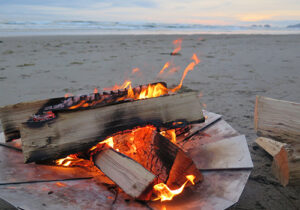
A firepan is another good alternative to a traditional campfire. Metal oil drain pans and backyard barbecue grills make effective and inexpensive fire pans. Commercially produced compact fire pans are also available at outdoor retailers to minimize campfire impacts. The pan should have at least three-inch-high sides. It should be elevated on rocks or lined with mineral soil so the heat does not scorch the ground.
Mound Fires
Where existing fire rings are not available, mound fires may be an alternative. Construction of a mound fire can be accomplished using simple tools: a garden trowel, a large stuff sack, and a ground cloth or plastic garbage bag.
How to build this type of fire:
Collect mineral soil, sand, or gravel from an already disturbed source. The root hole of a toppled tree is one such source. Lay a ground cloth on the fire site and then spread the soil into a circular, flat-topped mound at least 3 to 5 inches thick. The thickness of the mound is critical to insulate the ground below from the heat of the fire. The ground cloth or garbage bag is important because it makes cleaning up the fire much easier. The circumference of the mound should be larger than the size of the fire to allow for the spreading of coals. The advantage of the mound fire is that it can be built on various surfaces. Anything from flat exposed rock or on an organic surface such as litter, duff, or grass.
Should you Build a Fire
The most important consideration when using a fire is the potential damage to the natural landscape. Before having a campfire, the following should be considered:
What is the fire danger for the time of year and your selected location?
Are there administrative restrictions from the agency that manages the area?
Is there sufficient wood so its removal will not be noticeable?
Does the harshness of alpine and desert growing conditions for trees and shrubs mean that the regeneration of wood sources cannot keep pace with the demand for firewood?
Do group members possess the skills to build a campfire that will Leave No Trace?
Can the fire be sufficiently put out after use?
Firewood & Cleanup
Firewood should be purchased from a local source or gathered responsibly where allowed.
Standing trees, dead or alive, are home to birds and insects, so leave them intact. Fallen trees also provide bird and animal shelter, increase the soil’s water-holding capacity, and recycle nutrients back into the environment through decomposition.
Stripping branches from standing or fallen trees detracts from an area’s natural appearance.
Avoid cutting or breaking branches from standing or downed trees. Dead and down wood burns quickly, is easy to collect, and leaves less impact.
Use small pieces of wood, no larger than the diameter of an adult wrist that can be broken with your hands.
Gather wood over a wide area away from camp. Use dry driftwood on rivers and seashores.
Burn all wood to white ash and thoroughly soak it with water to extinguish the fire. The ashes should be cool to the touch.
In backcountry areas, scatter the remains over a large area away from camp. Ashes may have to be packed out in river corridors.
Replace soil where you found it when cleaning up a mound or pan fire.
Scatter unused wood to keep the area as natural looking as possible.
Pack out any litter. Plastic items and foil-lined wrappers should never be burned on a campfire.
Fire Safety
Never leave a fire unattended.
Keep wood and other fuel sources away from fire.
Maintain a reasonable size when having a campfire.
Keep sufficient water on hand in case of emergency.
Thoroughly extinguish all fires.
Provide adequate supervision for young people when using stoves or fires.